What is the purpose?
An opinionated, AI-native workflow for evolving modern Java Enterprise SDLC practices through reusable Skills, Agents, and MCP servers.
It helps you answer the Five Whys when your team needs to evolve a Java-based product or service:
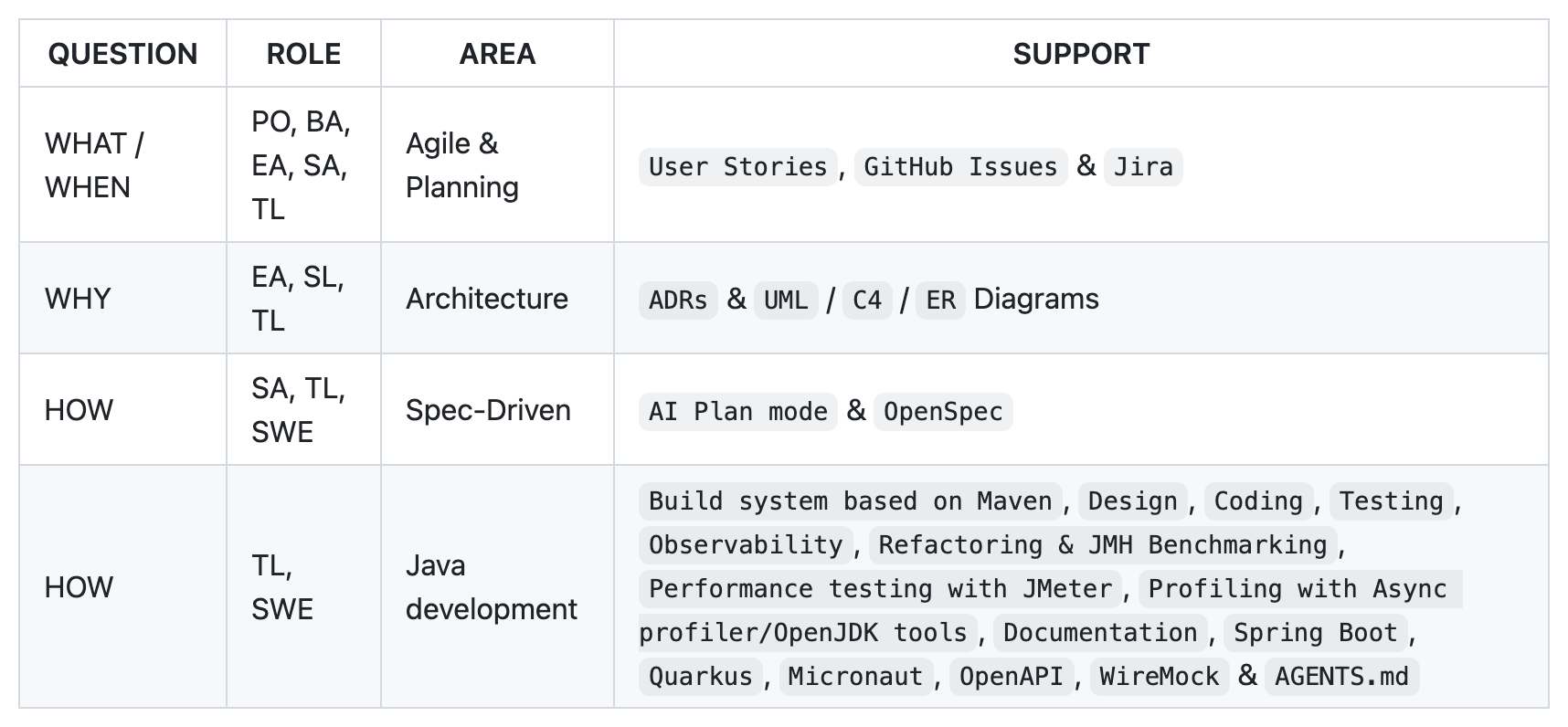
Once the idea is clear, you can implement it in a structured way:
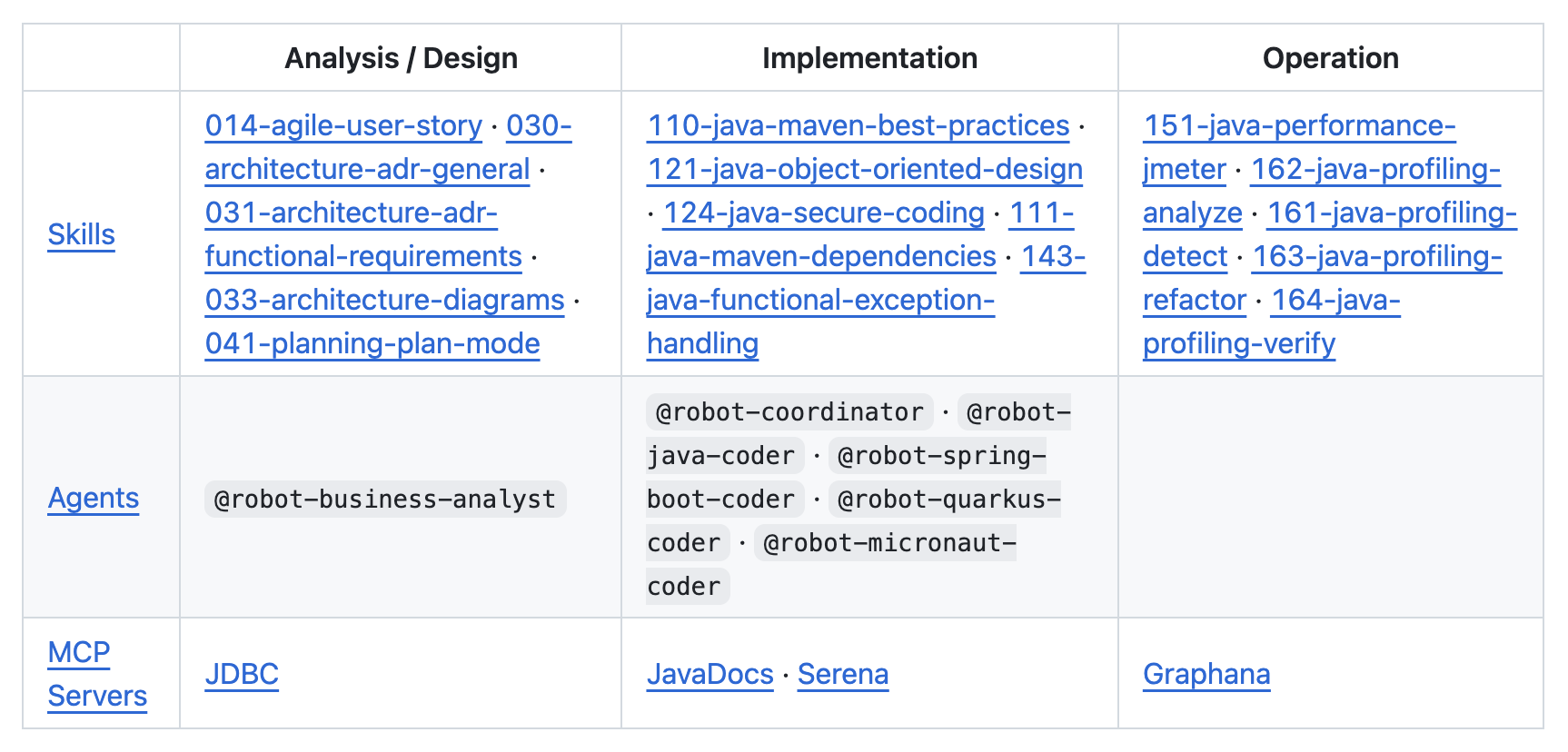
Thanks to our community members in Singapore, Hanoi, Hong Kong, Milan, and New York. 👋👋👋
Note: If you love this project and use it, you can support it to help pay the token bills.
What's new in this release?
Improved security validation in the CI pipeline
All skills are validated on every commit using a multi-scanner workflow:
Cisco AI Skill Scannerby Cisco AI Defense analyzes every generated skill recursively with behavioral scanning enabled. It runs as a required CI gate using thestrictpolicy and fails the workflow onhighseverity findings.SkillSpectorby NVIDIA performs an additional static security review of the generated skills.
The main risks that can remain when generated skills are not scanned before publication are:
- Prompt injection: Hidden instructions can try to override the agent's normal behavior, ignore repository rules, or bypass review steps. Covered by
Cisco AI Skill ScannerandSkillSpector. - Data exfiltration: A skill can include instructions or code paths that send source code, secrets, environment variables, or local files to an external service. Covered by
Cisco AI Skill ScannerandSkillSpector. - Command injection: Shell commands can be built from untrusted input, allowing unexpected command execution when the skill runs. Covered by
Cisco AI Skill ScannerandSkillSpector. - Obfuscation and hidden content: Base64 payloads, invisible Unicode characters, homoglyphs, or concealed scripts can hide malicious behavior from human reviewers. Covered by
Cisco AI Skill ScannerandSkillSpector. - Supply-chain abuse: A skill can fetch and execute remote code, depend on unsafe packages, or introduce vulnerable dependencies. Covered by
Cisco AI Skill ScannerandSkillSpector. - Excessive permissions or tool misuse: A skill can request broader file, shell, network, or MCP access than its stated purpose requires. Covered by
SkillSpectorandCisco AI Skill Scanner. - Description-behavior mismatch: A skill can look harmless in its description while its scripts, references, or triggers perform a different action. Covered by
SkillSpectorandCisco AI Skill Scanner. - Social engineering and trigger abuse: A skill can use misleading names, vague triggers, or urgent instructions to make agents or users invoke it in the wrong context. Covered by
Cisco AI Skill ScannerandSkillSpector.
The project provides scanners, and when you use Skills.sh, a popular skills registry, every entry must pass three validations.
Example: https://www.skills.sh/jabrena/cursor-rules-java/110-java-maven-best-practices
Improvements in Java Enterprise frameworks
In this release, the project continues to add new features to improve support for Spring Boot, Quarkus & Micronaut. The new skills added for all frameworks cover the following aspects:
- Data Validation:
@303-frameworks-spring-boot-validation,@403-frameworks-quarkus-validation&@503-frameworks-micronaut-validation - Security:
@304-frameworks-spring-boot-security,@404-frameworks-quarkus-security&@504-frameworks-micronaut-security - Kafka:
@314-frameworks-spring-kafka,@414-frameworks-quarkus-kafka&@514-frameworks-micronaut-kafka - MongoDB:
@315-frameworks-spring-mongodb,@415-frameworks-quarkus-mongodb&@515-frameworks-micronaut-mongodb
Improvements in observability
Observability is an essential aspect of any application:
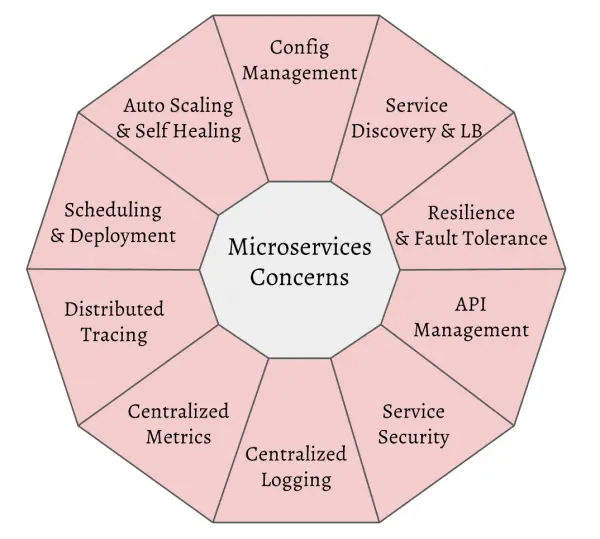
In this release, we completed support for the main concepts related to observability: Logging, Metrics & Tracing:
- Logging:
@181-java-observability-logging - Metrics:
@182-java-observability-metrics-micrometer - Tracing:
@183-java-observability-tracing-opentelemetry
Now, using any supported framework with OTEL, you can easily send continuous profiling data to Grafana:
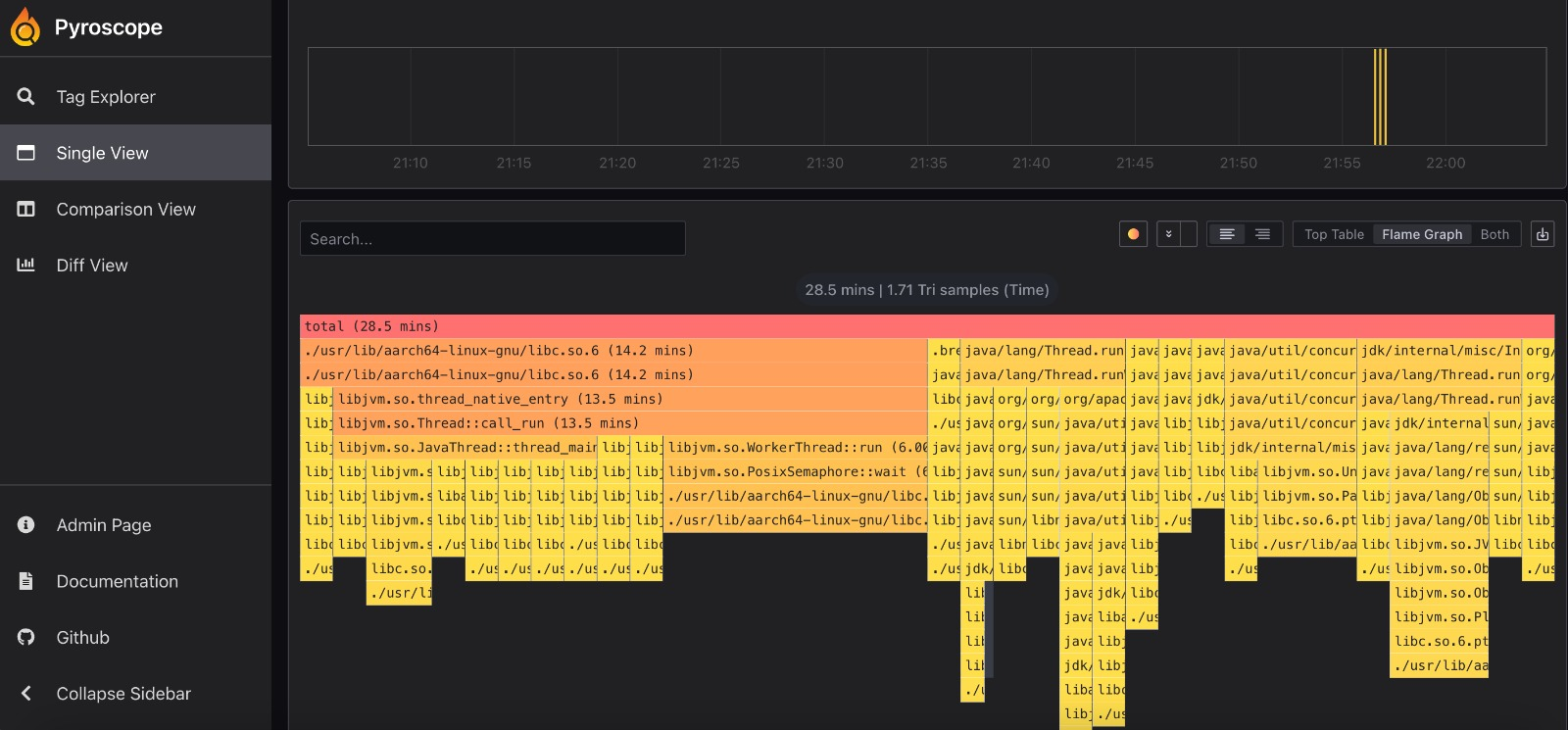
https://grafana.com/oss/pyroscope/
Improvements in testing
In this release, fuzz testing was improved to make it easier to use: @703-technologies-fuzzing-testing.

https://github.com/Endava/cats
Better documentation
The project now provides documentation in three languages:
Evolution of this project in Vercel's Skills registry
The ecosystem is large, so you will need your own criteria beyond whether this project fits your preferences.
This project focuses mainly on the following categories, and that scope continues to evolve:
- Maven, https://skills.sh/?q=maven
- Architecture ADR, https://skills.sh/?q=architecture+adr
- Java, https://skills.sh/?q=java
- Spring Boot, https://skills.sh/?q=spring-boot
- Quarkus, https://skills.sh/?q=quarkus
- Micronaut, https://skills.sh/?q=micronaut
Using the project in IDEs
Codex
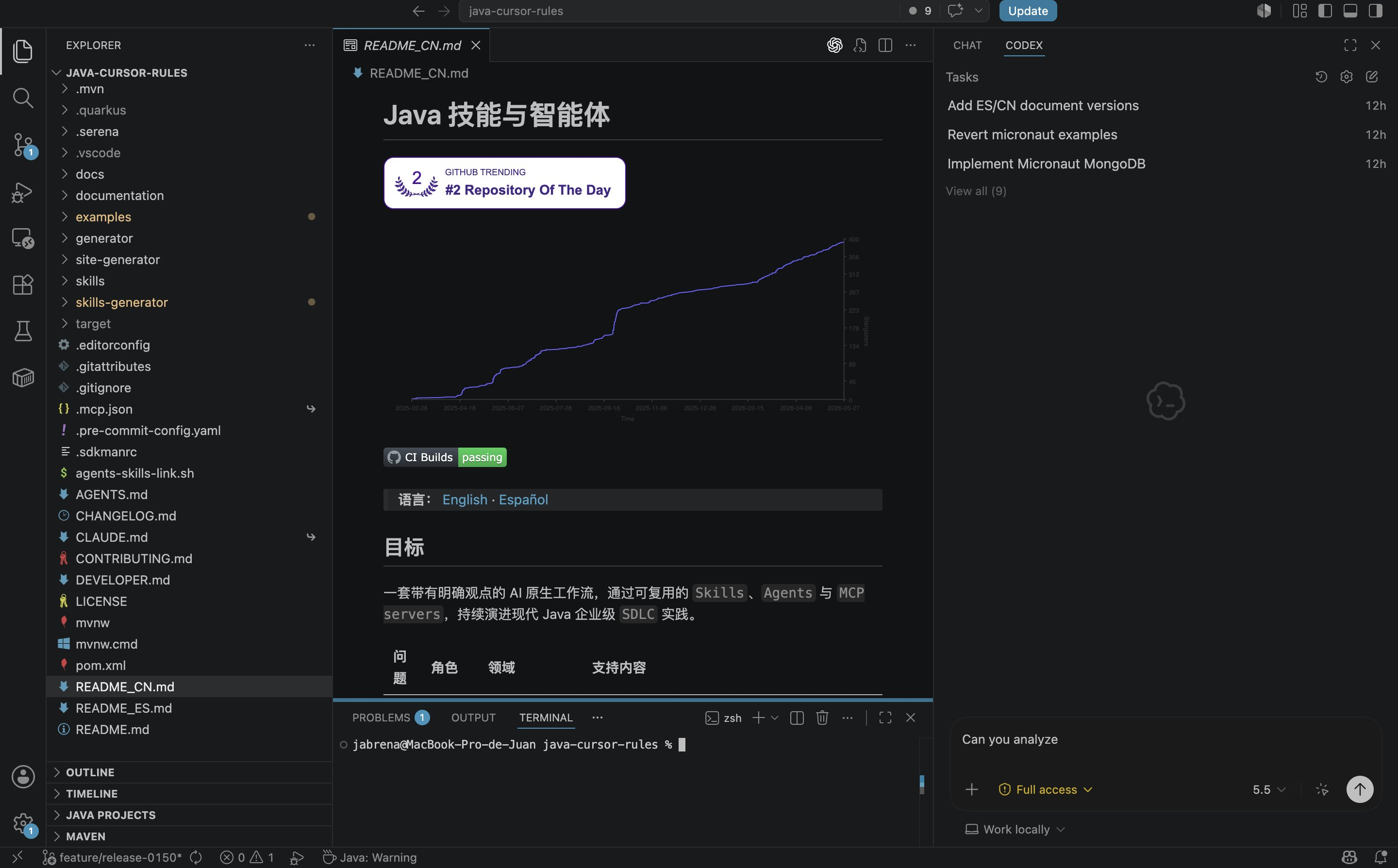
Recently, I tested Codex running in VS Code, and the experience was fantastic. Codex understands AGENTS.md and skills located in .agents/skills.
Using Codex, you can run the Agents provided by the project without any changes.
Magic Quadrant update
Recently, Gartner updated the Magic Quadrant.
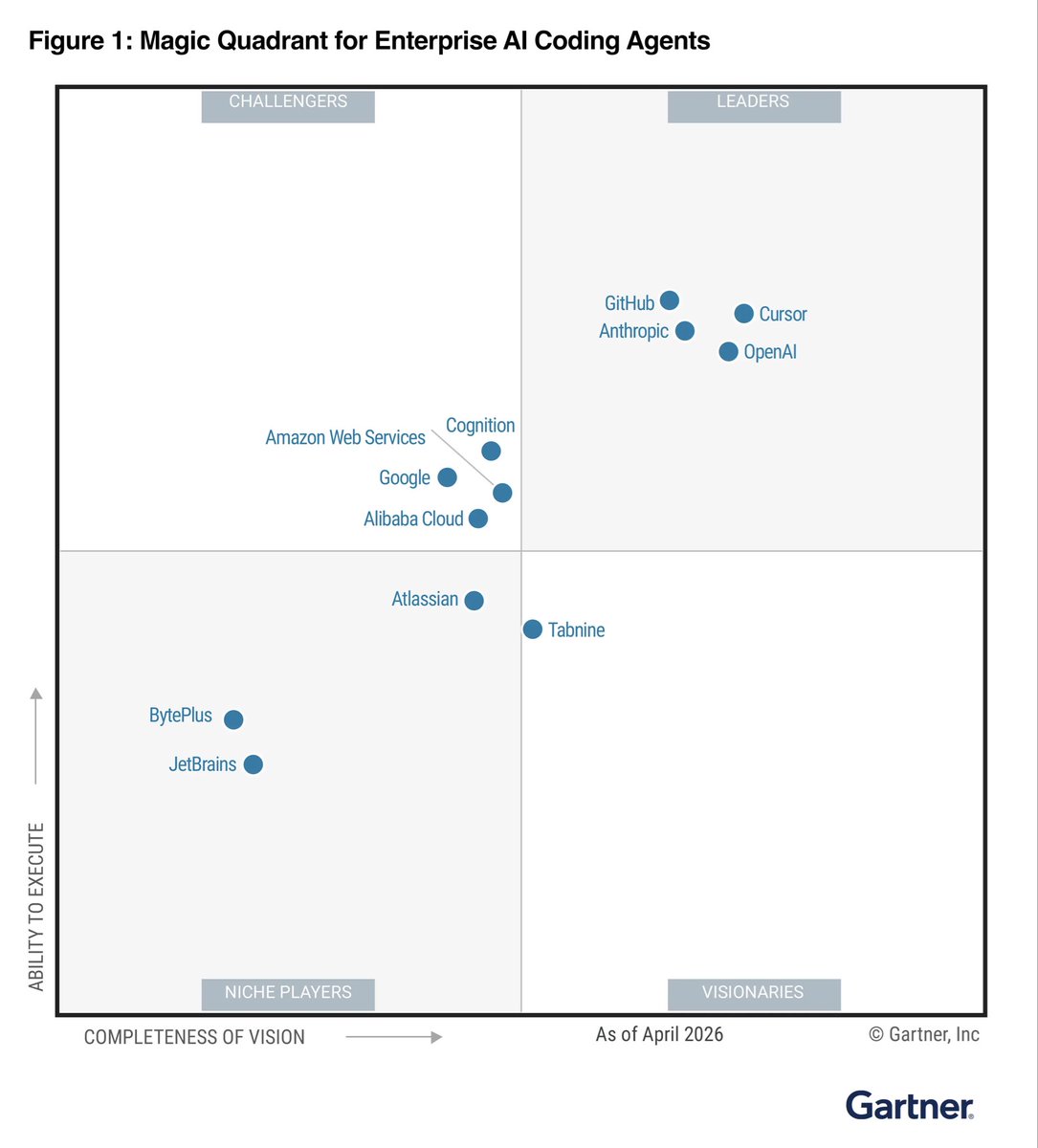
https://cursor.com/lp/2026-gartner-mq
The project in events
The experience in Codemotion Madrid 2026
Last month, the project was presented and used at the tech conference Codemotion Madrid 2026. The workshop had sold out a few weeks before, and participants rated the session 4.5/5.
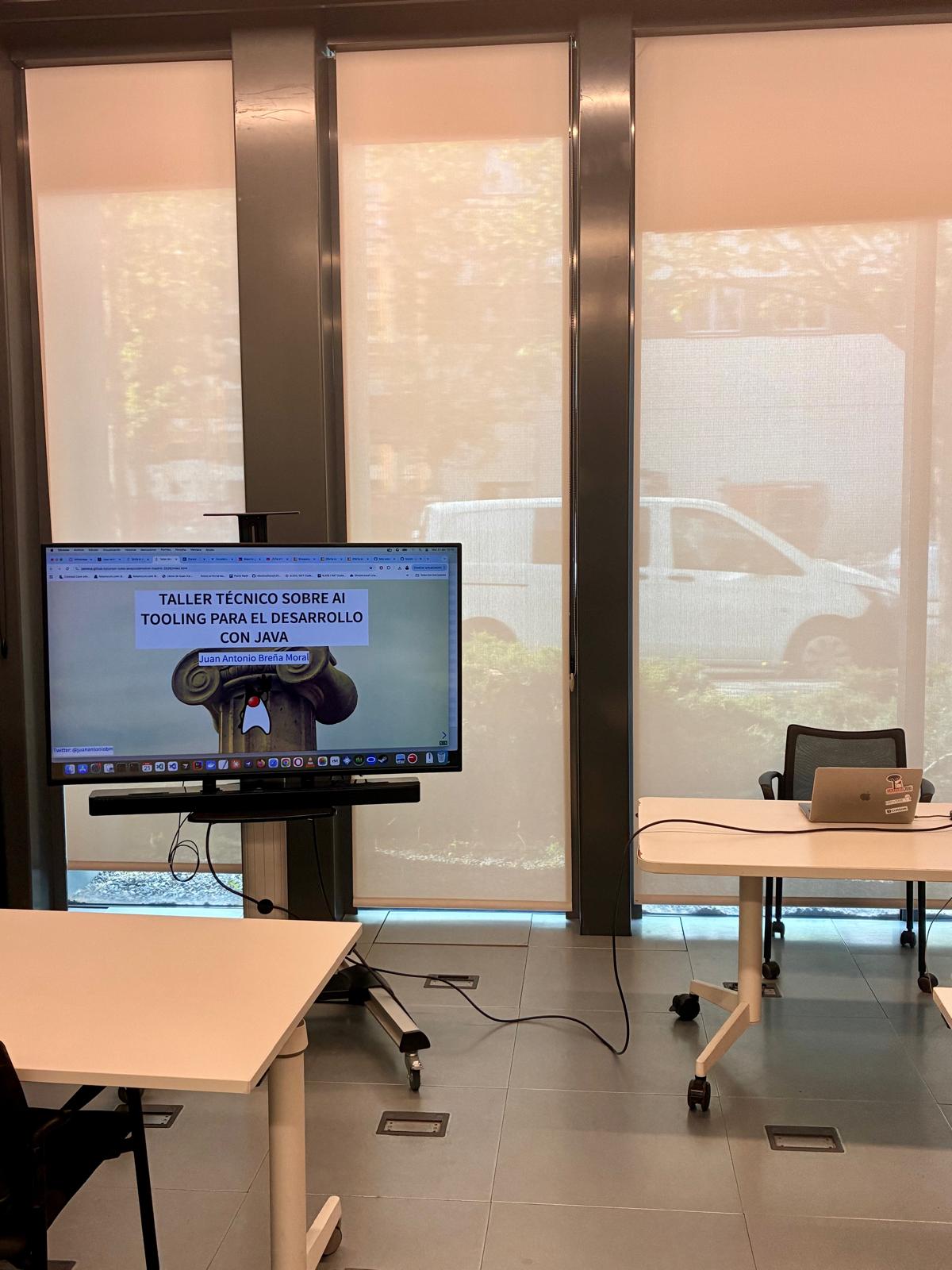
Slides: https://jabrena.github.io/cursor-rules-java/codemotion-madrid-2026/index.html
The experience in JMad 2026
Every year, MadridJUG organizes JMad, a Java tech event based on OpenSpace.

JMad is a nice opportunity to exchange ideas and have good debates about the topics Java developers want to discuss.
This year's agenda was:
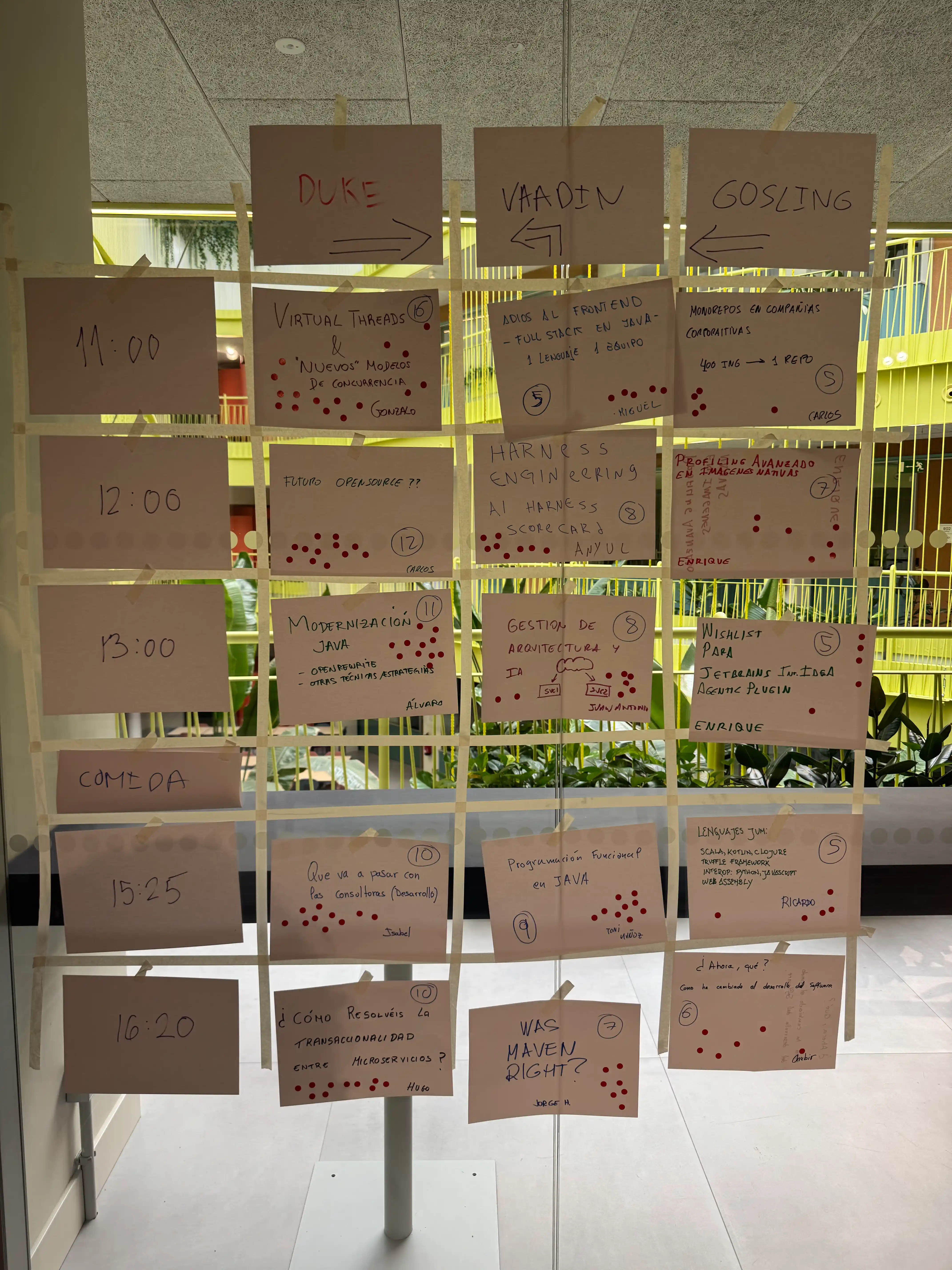
This year, several AI topics were discussed, including AI Governance and how to manage Skills in your team, unit, or company.
Further information: https://jmad.madridjug.es/