利用 Java 进行工程实践
From Local Correctness to System-Aware Java Engineering

Who I am
 |
Juan Antonio Breña Moral Engineering @ IG Group, EU Division
Twitter | GitHub | LinkedIn |
|
"Make it work, make it right, make it fast." - Kent Beck "Lead me, follow me, or get out of my way." "Pressure makes diamonds." - George S. Patton Jr. |
|
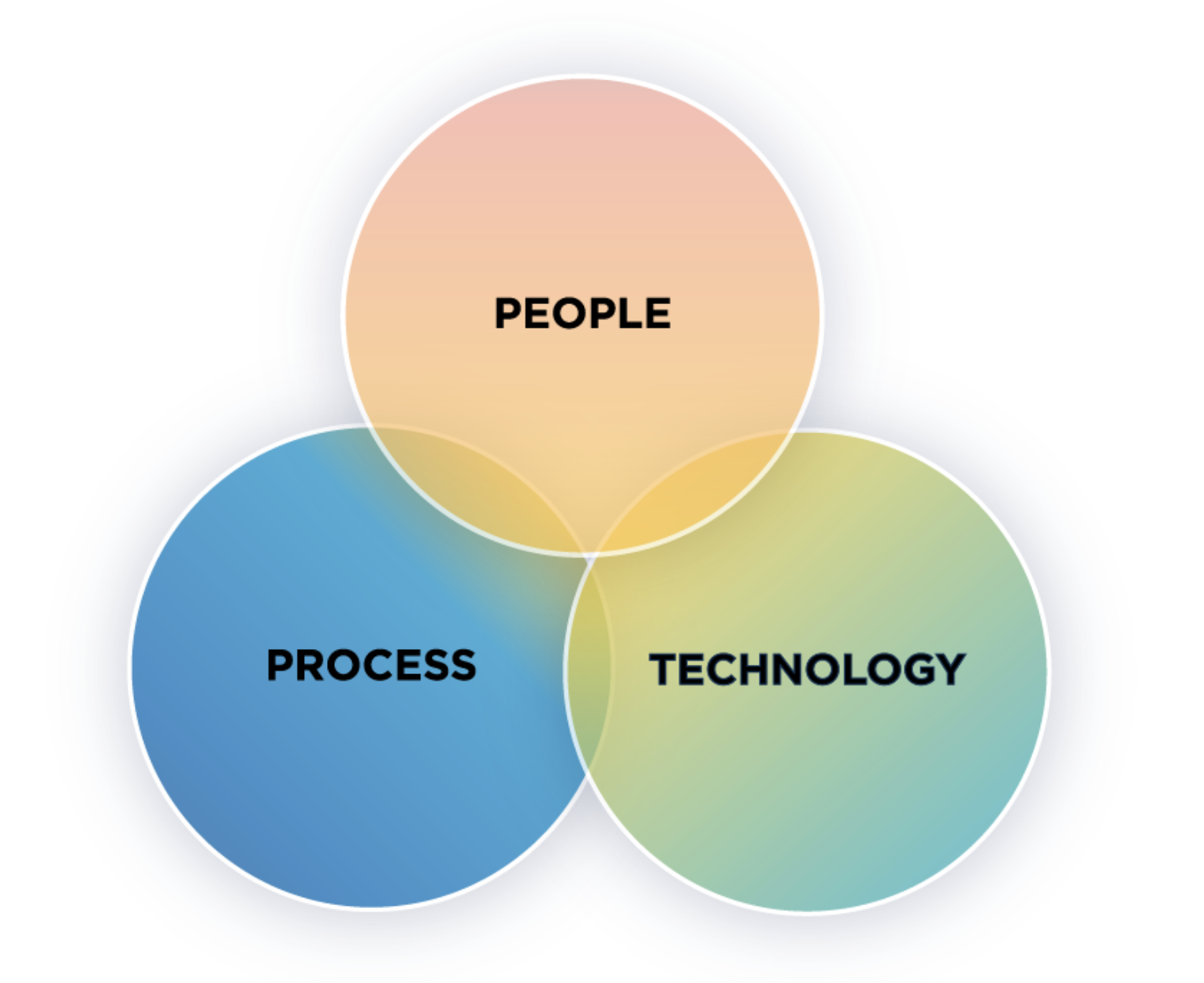 Source: Leavitt's Alignment Model (1965) >> People, Process and Technology
Framework
Source: Leavitt's Alignment Model (1965) >> People, Process and Technology
Framework
Talk's scope
Specialized LLMs for Enterprise
Train Specialized LLMs
Fine-tuning, LoRA/QLoRA, Distillation, ...
AI Agent Orchestration & Pipelines
Automate stable processes using AI Agents
Spring AI, LangChain4j, Embabel, ...
AI Harness Engineering FOCUS OF THIS TALK
Software Engineering enhanced with AI
SDD, Java Skills, MCP-Servers, Knowledge bases, ...
Agenda (45 minutes)
- Introduction (7 min)
- The problem (8 min)
- Local correctness (8 min)
- System awareness (12 min)
- Operating at scale (7 min)
- Takeaways (3 min)
ACT I
Introduction
Introduction
The usage of AI in software engineering is changing the way we work, but that change brings new challenges to address.
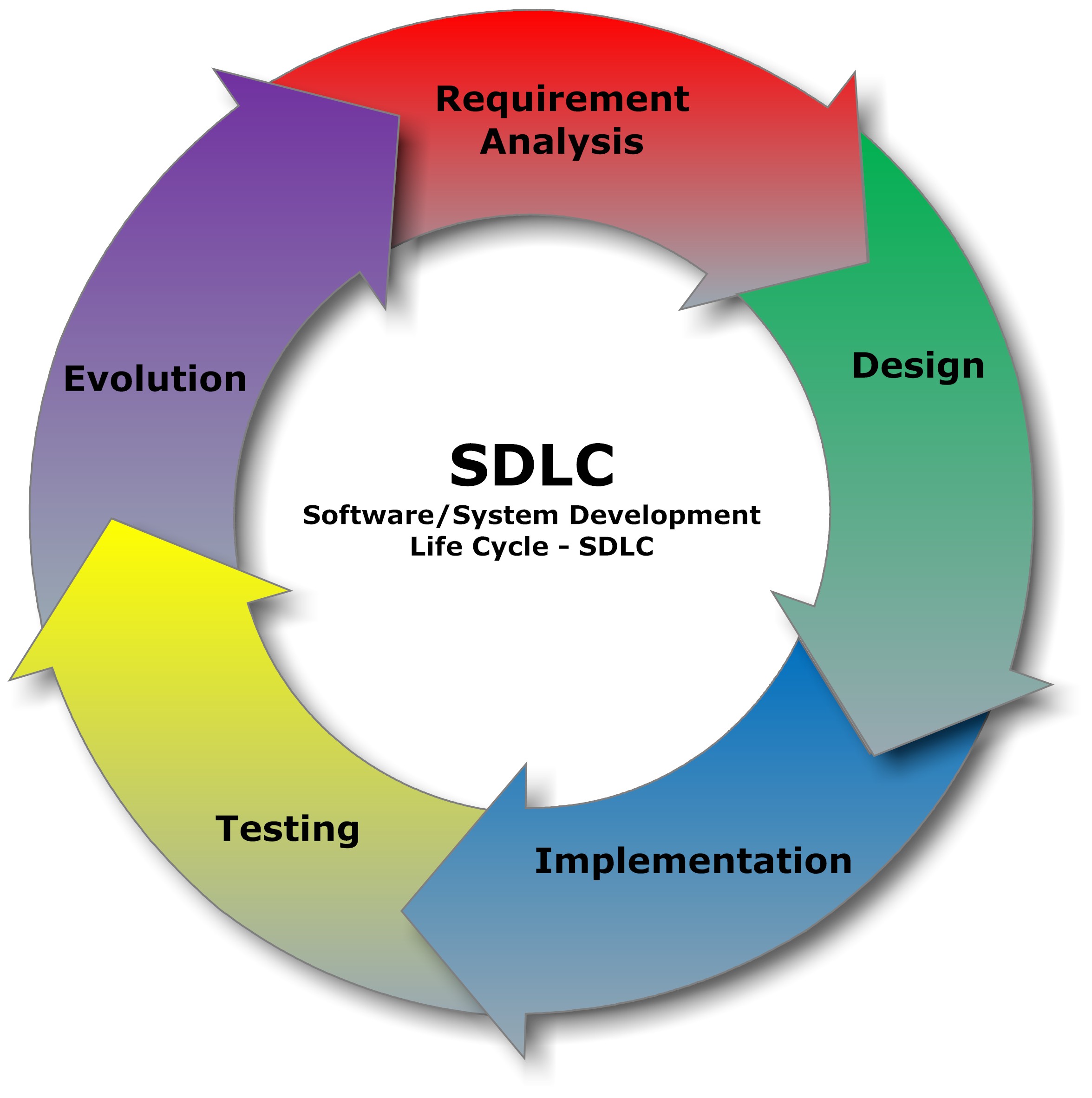
Three project realities
Greenfield
Design the context
Define boundaries
contracts
and owners
Brownfield FOCUS OF THIS TALK
Discover and connect context
Trace dependencies
document decisions
and close gaps
Legacy
Recover and validate context
Read behavior
data and incidents
then test assumptions
Focus: brownfield enterprise systems—working software, fragmented knowledge, and live dependencies.
ACT II
The problem
Implementation accelerates. Context does not.
Everything can be green—and production can still break
💥 Production breaks
The checks proved the implementation—not the whole consequence.
How can a change be completely correct and still be wrong?
Communication boundaries become system boundaries
Organizations design systems that mirror their communication structures.

Paraphrased from Melvin Conway, 1968.
AI may amplify Conway's Law
Faster generation doesn't repair a weak boundary—it spreads its gaps across the system faster than anyone can review them.
AI accelerates technology—not the whole system
People
Ownership
Communication
Process
Specification
Validation
Technology
Agents
Tools
AI accelerates technology.
System correctness still depends on all three.
ACT III
Local correctness
Specification constrains the work inside the visible boundary.
Prompting is not specification
Add rate limiting to the Java API.
Implementation is not the problem. Ambiguity is.
Specify before generating
Evidence closes the loop.


Correct generation needs behavior and implementation constraints
Functional — Why / What
Business rules
Acceptance criteria
Constraints
Quality attributes
Technical — How
Components
Interfaces
Migration
Validation
Good specifications require time
AI makes implementation 10× faster.
Understanding intent, constraints, and consequences still runs at 1×.

The Three Amigos!
Source: https://www.imdb.com/es-es/title/tt0092086/
The Three Amigos is an Agile practice where three perspectives review an increment of work before, during, and after development: Business, Development & Testing.
Specifications solve task ambiguity.
They do
not solve system blindness.
The spec is right and the repo is green - what still lives outside it? 🤔
ACT IV
System awareness
The blast radius extends beyond the repository.
A locally correct Java rename operation can break the system
RenamecustomerIdtoclientId.
record Order(String clientId, BigDecimal total) {}
Locally correct. What else depends on this contract?
System awareness changes the implementation strategy
Repository-only view
Rename customerId
to clientId
System-aware view
- Introduce
clientIdcompatibly - Read and write both names
- Migrate and observe consumers
- Remove
customerIdafter adoption
Same requirement. Different context. Different plan.
Parallel Change: expand → migrate → contractAgents see tasks first; dependency failures live beyond them
Most coding agents start at task and repository.
Many
dependency failures live outside them.
What should an organizational product provide?
- Structure knowledge about domains, subdomains, ownership, and technical dependencies.
- Register approved, versioned skills for engineering work.
- Expose relevant knowledge and skills to agents through MCP.
🤔 One product. Three capabilities.
How do we improve the developer experience with AI Harness Engineering at scale? 🤔
ACT V
Operating at scale
Turn organizational knowledge and engineering skills into governed, queryable infrastructure.
Large organizations need a shared knowledge product
Knowledge base
What is true here?
Domains, subdomains, systems, owners, decisions, and dependenciesSkills registry
Reuse Software Engineering practices?
Approved, versioned engineering policies and practicesMCP server
How to query the system?
Query knowledge and discover relevant skills on demandOne product structures knowledge, registers practices, and exposes both consistently.
Trusted context is a socio-technical system
People
Owners define context and coordinate change
Process
Publishing and validation keep it trustworthy
Technology
Knowledge base, skills registry, and MCP server scale access
Technology scales access; ownership and process sustain trust.
What is Plinth? 🤔
Plinth is an AI-native engineering toolkit for modern Java enterprise SDLC.
Plinth operationalizes the engineering workflow
The organization owns its context
Domains → Systems
→ Owners → Contracts → Decisions
Plinth guides execution
Issues → OpenSpec
→ Commands → Agents → Skills
The organization supplies its knowledge; Plinth turns intent into validated change.
From organizational intent to validated change
An opinionated AI-native workflow for evolving modern Java Enterprise SDLC practices
/onboarding/update-issue → /explore-problem →
/create-acceptance-criteria/create-spec → /explore-design/implement-spec → /close-specCLOSE
Takeaways
What can a team do next Monday?
- Review whether your service databases have migration scripts.
- Review if team know and use Parallel Change pattern
- Review whether service communications use governed contracts (OpenAPI, Avro, etc.).
- Review how your projects reuse patterns, components, and practices across your domains.
What can a team do next Monday?
- Review whether your teams are using monorepos to facilitate the AI-agent harness.
- Review whether your software engineers use common skills.
- Review whether your squads use SDD or need specific training.
- Engineer the workflow, not just the prompt.
- Optimize for system awareness and system correctness, not just local correctness.
References
Q&A?
🙏 Thank you 🙏
Slides

Slides
jbang trust list
jbang cache clear
jbang catalog list jabrena
jbang qr-code@jabrena \
  --url https://jabrena.github.io/plinth/jcconf-2026/
Feedback

Feedback
jbang trust list
jbang cache clear
jbang catalog list jabrena
jbang qr-code@jabrena \
  --url https://docs.google.com/forms/d/e/1FAIpQLSf-dW0M6cY_bVL7CPxXW4TMmJxkBIGmZTfciO1u2poy-YAqeQ/viewform?usp=header